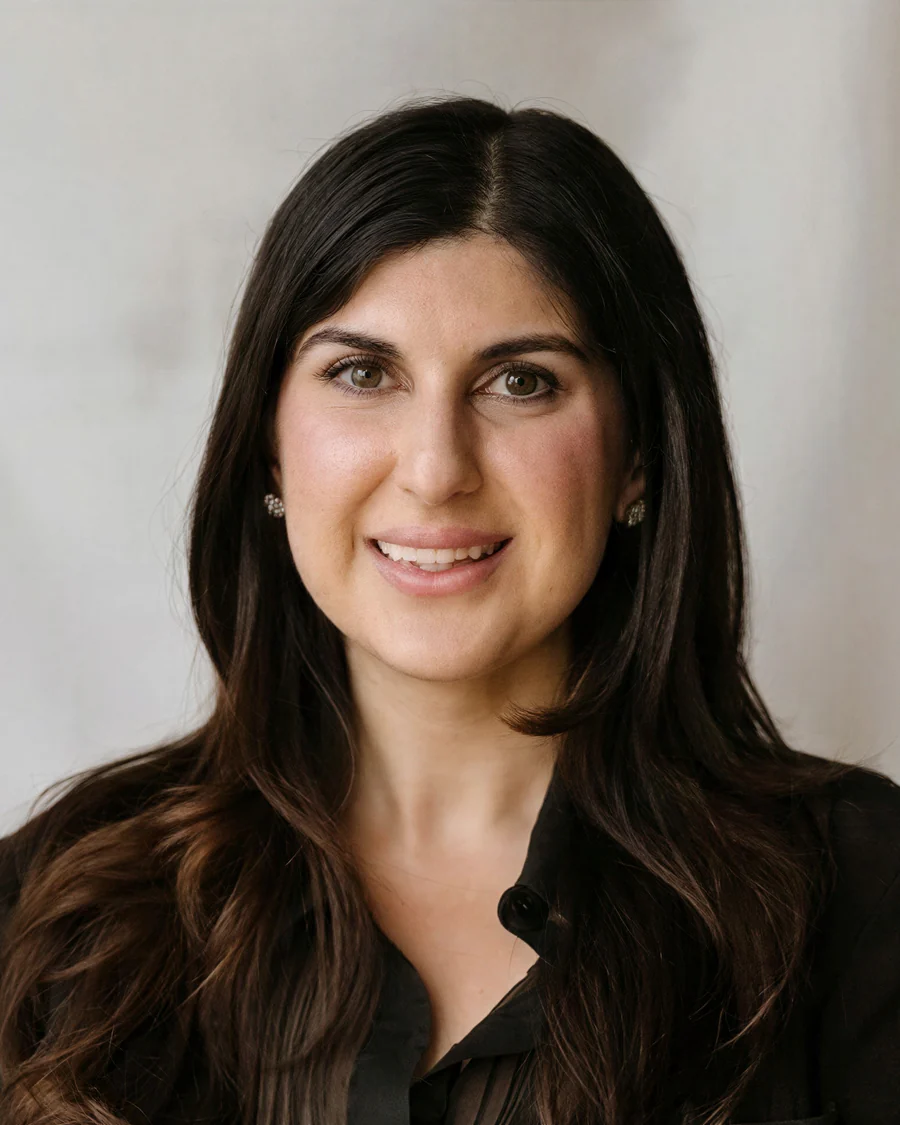
Dr. Nahreen Aref, PhD, LMFT · Cofounder
As the daughter of Afghan refugees, I grew up understanding that what we often call political is also deeply personal. War and displacement do not live only in history books or policy debates. They find their way into families, identities, and the ways we learn to love and protect ourselves.
That understanding followed me into my early work in refugee camps, where I began asking what leads human beings to harm one another, especially the people they love most. It was a question that stayed with me and eventually shaped the direction of my career.
I first went looking for answers through international relations. I was fascinated by conflict, power, culture, and human behavior. But the more I studied these larger forces, the more interested I became in what they could not fully explain: what happens inside a person and between two people.
My questions became more intimate. Why can we want love so deeply and still protect ourselves from it? Why do we repeat ways of relating that hurt us? How do trauma and shame shape our sense of safety, pleasure, connection, and worth? Why does desire disappear, change, or suddenly come alive?
Those questions eventually led me to psychotherapy and continue to shape my work today. I am drawn to what our intimate lives reveal about us: what we long for, what we fear, what we hide, and whether we feel safe enough to be fully known.
As a therapist, I am deeply engaged and curious, but I am also direct. I want the people I work with to feel understood, while knowing that therapy is also a place to look honestly at what may no longer serve them. Teaching has always been part of who I am, and I bring that into therapy too, helping people understand the psychology behind what they are experiencing and giving them language for patterns that may have previously felt confusing or difficult to name. I believe there is a balance to life, and therapy should reflect that. Alongside grief and struggle, there should be room for humor, pleasure, imagination, and the parts of us that want to feel fully alive.
Perfectionism has taught me how easily our sense of worth can become tied to what we achieve, and what can open up when we begin to separate who we are from what we accomplish. I do not see therapy as a pursuit of a better or more perfected self. I see it as becoming more honest about who we are, more compassionate toward what we find there, and more free in how we choose to live and love.
Our deepest suffering is often relational, and so is our healing.
Areas of focus
- Trauma
- Relationships, dating & attachment
- Sex & intimacy
- Sexual shame
- Cultural & religious identity
- Desire & pleasure
- Life transitions
- Self-worth & perfectionism
My approach
- Somatic
- Psychodynamic
- Depth-oriented
- Attachment-based
- Sex-positive
- Trauma-informed
- Culturally responsive